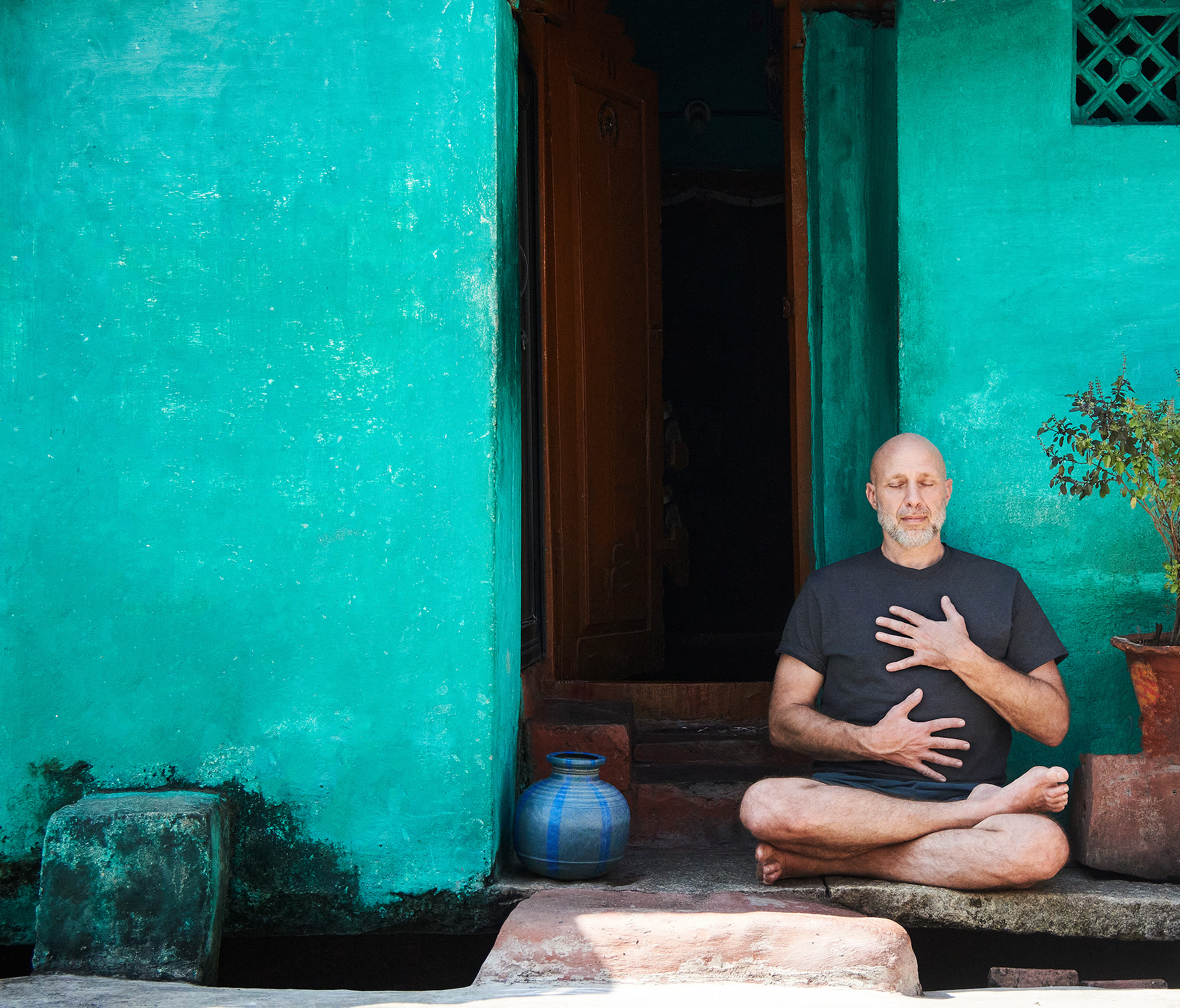
Pranayama : What if your breath was the key ?
Much more than a technique, pranayama is an art of breath that calms the mind, rebalances the nervous system, and opens the door to meditation.
Often overshadowed by postures in modern classes, pranayama is nonetheless one of the most powerful and transformative pillars of yoga. Each breath becomes a tool for purification, vitality, and inner clarity.
Practiced regularly and with guidance, it transforms into a true art of living: a simple yet profound path to recentering, releasing tension, and rediscovering, breath by breath, what is essential.
Pranayama is an essential practice in major yoga schools like Ashtanga and Hatha. It prepares the body, nervous system, and mind for concentration, paving the way for meditation. Yet, in most yoga classes in the West, the emphasis is primarily on postures (asanas), neglecting this fundamental dimension.
This is a loss, because pranayama is one of the most powerful and transformative disciplines: through breath, it calms the mind, releases tension, and awakens vital energy.
A living art
More than a technique, pranayama is a living art, passed down from master to student for millennia.
It is not simply about breathing in a certain way, but about learning to inhabit one’s breath, to feel the subtle energy flowing within, and to harmonize it with universal energy.
Each breath becomes an opening, each exhalation a liberation, and each pause a gateway to inner silence.
An integrated practice
Pranayama is always integrated into a broader path: postures (asana), moral discipline (yama & niyama), concentration (dharana), and meditation (dhyana).
Pranayama techniques were developed to :
• purify the body and subtle energies,
• strengthen the nervous and vital systems,
• prepare the mind for meditation,
• harmonize internal forces, and promote emotional stability.
Even today, pranayama remains a central practice in Ashtanga Yoga, Hatha Yoga, and other classical lineages, offering each breath the potential for profound transformation.
The roots of Pranayama
Pranayama is one of the core practices of yoga, passed down for millennia in Indian traditions.
The word pranayama is composed of two terms: prana, the vital energy that flows within us, and ayama, expansion or control. Thus, pranayama literally means « the art of directing and expanding vital energy through the breath. »
Foundational texts :
– Yoga Sutras of Patanjali (II-49 to II-53): pranayama stabilizes the mind and prepares for meditation.
– Bhagavad Gita (IV-29): union of prana and apana, balance of vital forces.
– Hatha Yoga Pradipika (II-2): « When the breath is unsteady, the mind is unsteady. When the breath is steady, the mind becomes steady. »
Gheranda Samhita (V-1): pranayama purifies the body and illuminates the mind.
– Yoga Rahasya: the breath acts on the subtle sheaths (koshas), allowing for a progressive transformation of consciousness.
– Taittiriya Upanishad: Breath is the bridge between body and mind, between the individual and the universal.
Tradition & science : a coherence
For millennia, the foundational texts of yoga have described the effects of pranayama: purification of the nadis, mental balance, and preparation for meditation.
Today, modern science confirms these insights:
Suspension of breath (Yoga Sutras): linked to the regulation of the autonomic nervous system and the reduction of mental activity.
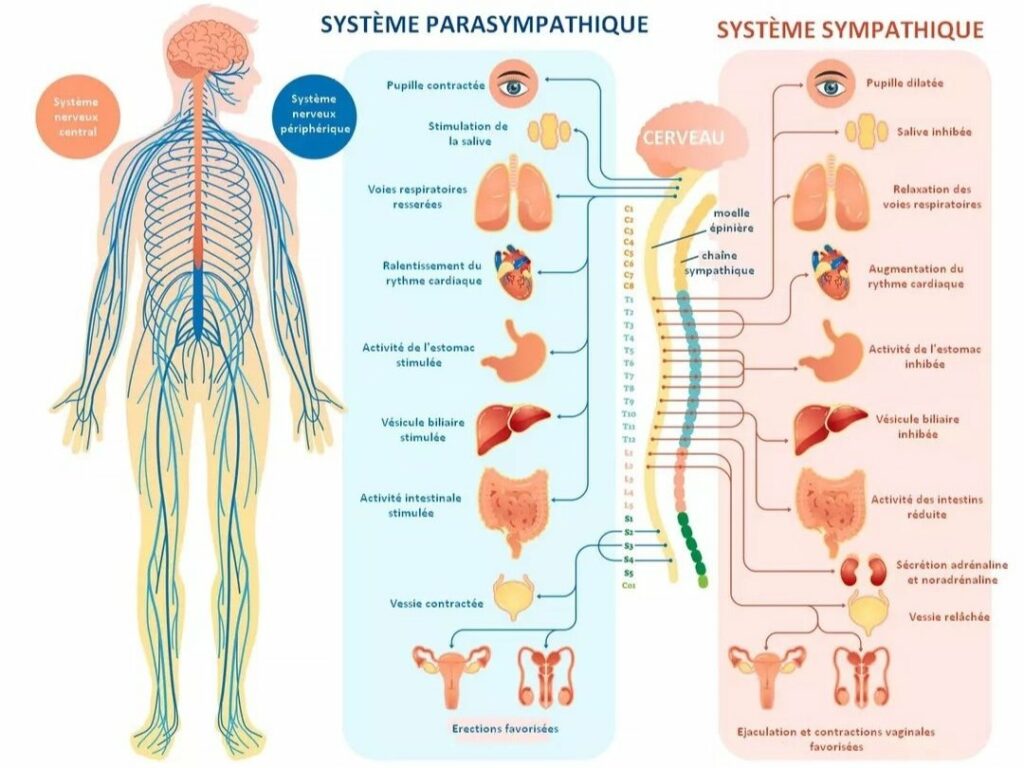
Union of prana and apana (Bhagavad Gita): corresponds to the balance between inhalation/activation (sympathetic nervous system) and exhalation/relaxation (parasympathetic nervous system).
Purification of the nadis (Hatha Yoga Pradipika): resonates with the modern understanding of gas exchange, the role of carbon dioxide, and heart rate variability.
Breath as a Bridge (Upanishads): This aligns with neuroscience discoveries showing how breathing directly influences the brain, emotions, and consciousness.
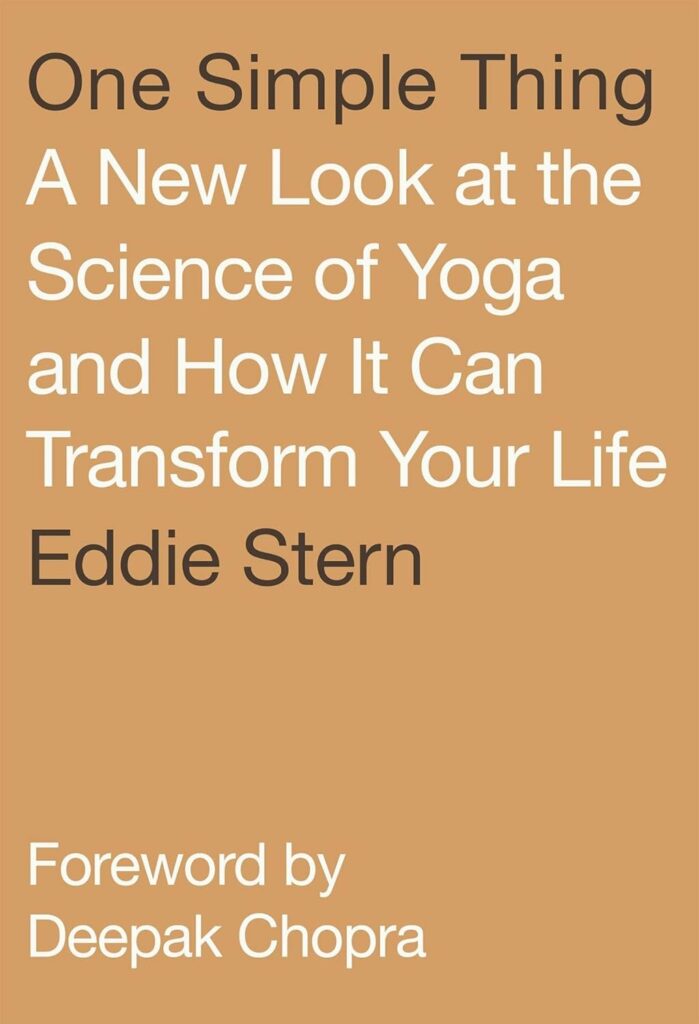
This convergence of ancient wisdom and contemporary science illustrates what Eddie Stern and other modern masters teach: pranayama is both a spiritual practice and a science of breath that acts on the body, mind, and energy.
Tradition and modernity
It is essential to distinguish traditional pranayama from modern breathwork :
Breathwork, which emerged in the West in the 1960s, often emphasizes emotional exploration through intense and rapid breathing. It can induce altered states of consciousness or cathartic releases, but remains limited to isolated experiences.
Pranayama, transmitted through classical lineages, is a codified and progressive path. It aims to refine and stabilize the breath, purify the nadis (energy channels), balance the nervous system, and prepare the mind for meditation. In short: where breathwork seeks the intensity of an experience, pranayama builds lasting inner stability and a gradual opening to deeper awareness.
The benefits Pranayama
• Calm the mind: soothe mental fluctuations.
• Strengthen the nervous system: balance between activation and relaxation, resilience to stress.
• Increase vitality: optimize gas exchange, develop energy, and support longevity.
• Balance emotions: promote inner stability, presence
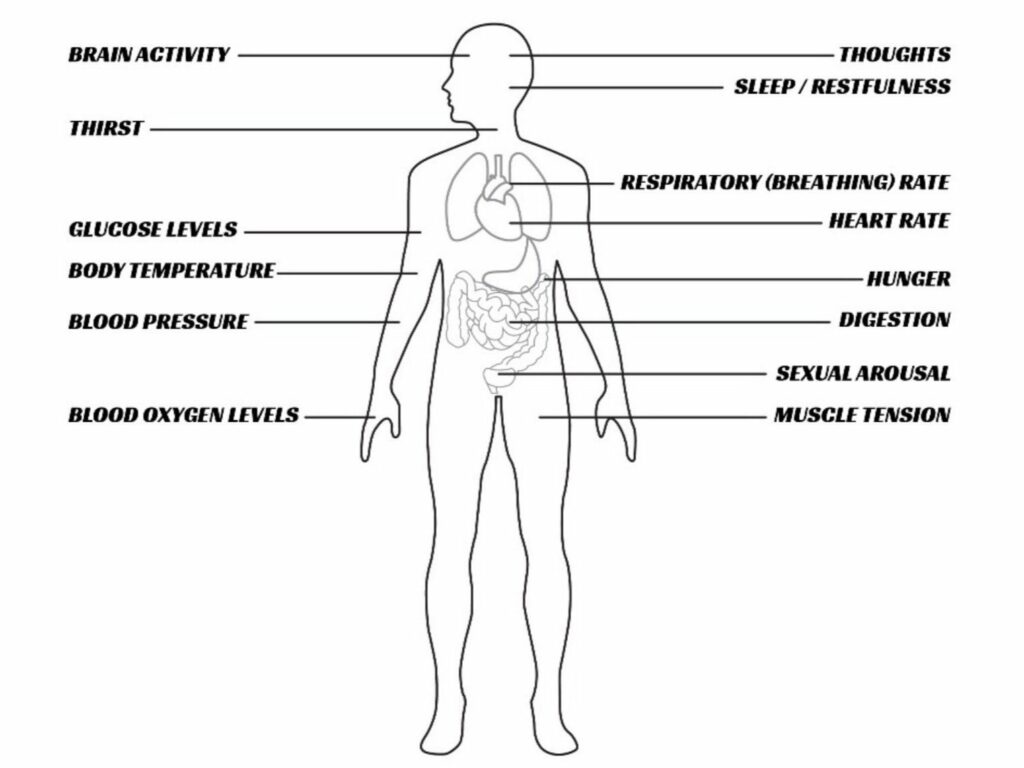
What is good breathing ?
Proper breathing is :
Conscious: directed and felt at every moment.
Diaphragmatic: deep and complete.
Regular and fluid: it establishes a calming rhythm.
Nasal: filtered, warmed, and energizing.
Relearning to breathe this way restores balance and nourishes vital energy.
When to practice Pranayama ?
• Upon waking: to clarify the mind and awaken energy.
• Before yoga or meditation: to center and prepare.
• During the day: to soothe stress in a few cycles.
• In the evening: to calm the mind and promote deep sleep.
Where to practice ?
• At home, sitting with your back relaxed, in a quiet place.
• In nature, to connect with a subtle and calming energy.
• In a shala or dedicated space, with the guidance of a teacher. Pranayama is practiced gradually and with guidance, in order to reap all its benefits and avoid any imbalance.
Pranayama is an invitation to delve into your inner self:
to rediscover natural breathing, connect with vital energy, and rediscover the essence of yoga as an art of living.
Why practice with me ?
With over fifteen years of teaching experience and several decades of exploring breath (freediving, scuba diving, breathing practices), I transmit pranayama as it was taught to me in traditional lineages, with a clear, progressive, and accessible approach.
My intention is not to provoke extreme experiences like in some forms of breathwork; I teach a safe and sustainable art of breath: a path to vitality, inner stability, and clarity of consciousness.
My vision
Pranayama has been at the heart of my practice since my first steps in yoga. With an unconventional background, ranging from fashion photography to deep-sea diving, I discovered early on the power of breath as a tool for healing and transformation.
I have been fortunate to receive instruction from several masters, including B. N. S. Iyengar and Dr. H. V. Nagaraj Rao, who shared with me a vision rooted in the Indian tradition of yoga. I also completed a comprehensive three-level pranayama training program with Eddie Stern, Harshvardhan Jhaveri, and Robert Moses, specifically designed for yoga teachers. This demanding training provided me with a solid foundation and a clear structure for teaching breathwork in a way that is faithful to tradition, progressive, and accessible to everyone.
My path in yoga has always united postures (asanas) and breath. The asanas have given me the stability and strength necessary to explore pranayama more deeply. Conversely, breathwork has transformed my postural practice, imbuing it with a quality of presence, calm, and concentration that only conscious breathing can awaken. Yoga and pranayama are not two separate worlds: they nourish each other and together pave the way to meditation.
Today, my intention is simple: to share pranayama as a living art, rooted in the tradition of yoga but adapted to our modern lives. I wish to offer everyone the opportunity to rediscover breath, energy, and serenity, by exploring how breath can become a true ally in practice as well as in life.
On the reading side, some references :
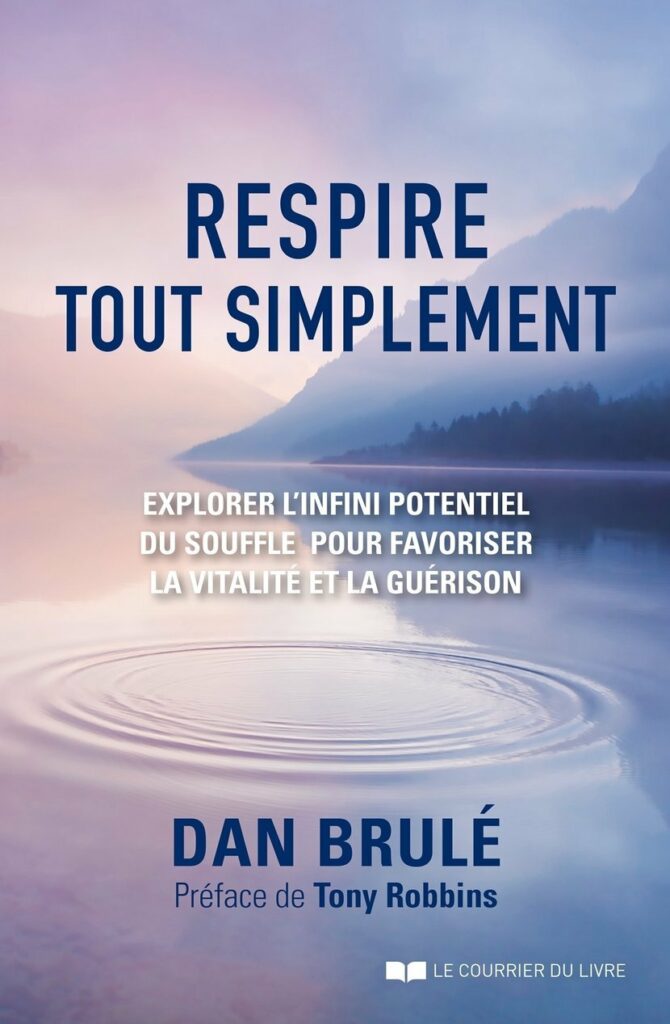
• Just breathe, Dan Brulé
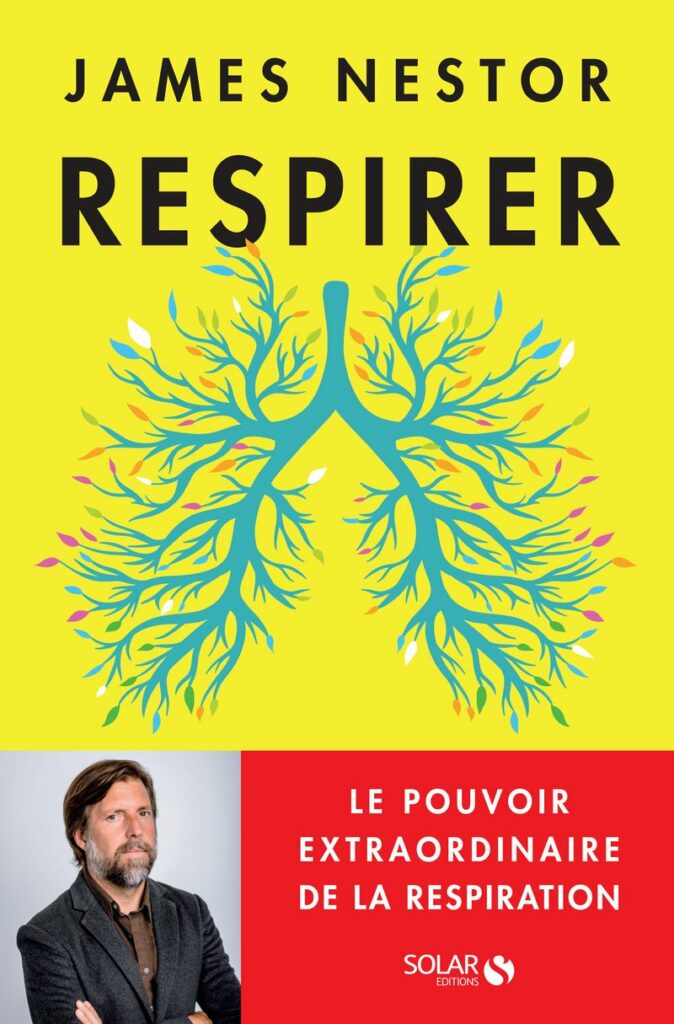
• Breathe, The extraordinary power of breathing James Nestor
• One Simple Thing, Eddie Stern
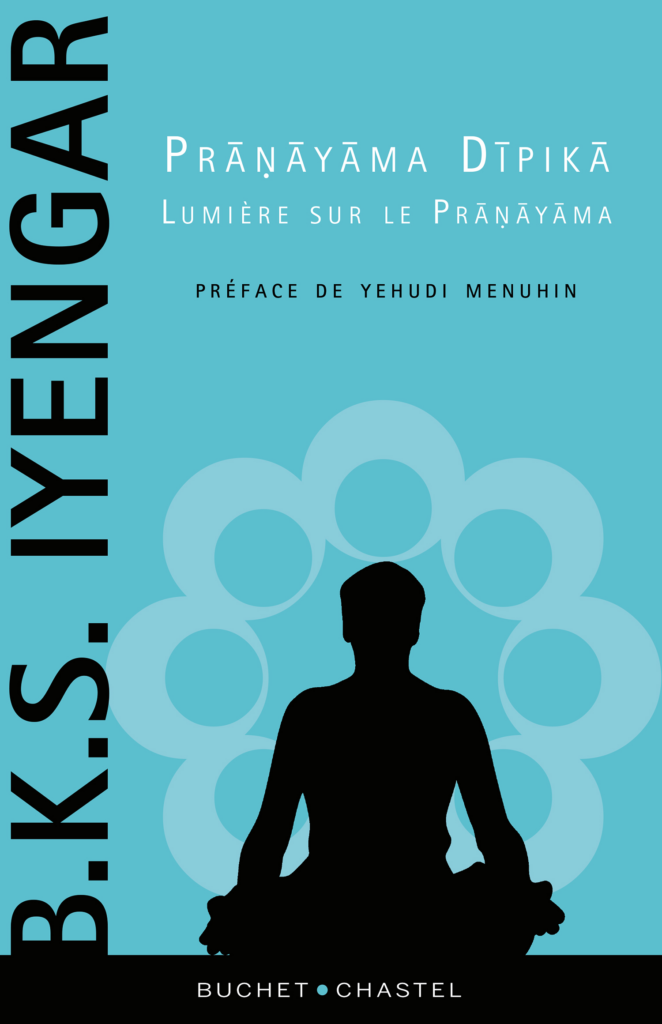
• Light on pranayama, B.K.S Iyengar
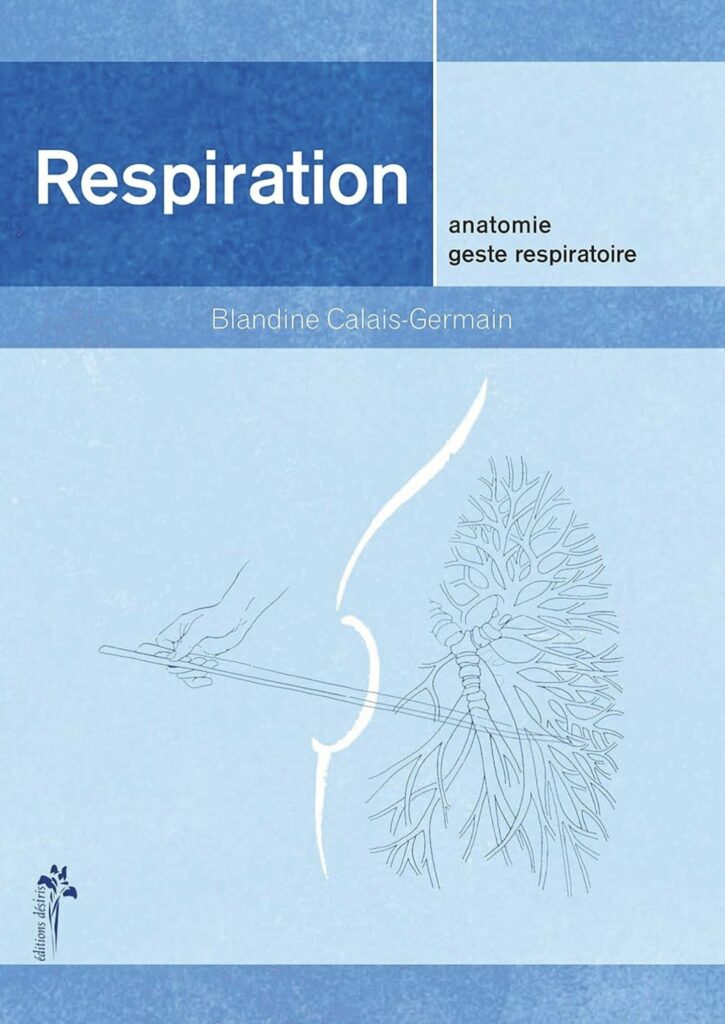
• Breathing: Anatomy, breathing gesture, Blandine Calais-Germain